Back-to-School Success: Organizational Tips for All Grade Levels

Jennifer Ross • August 7, 2024

Getting ready for a new school year can be overwhelming, but a bit of organization can make all the difference. In this guide, discover practical tips to streamline your back-to-school preparations, ensuring a smooth and stress-free transition. From creating efficient study spaces to managing schedules, learn how to set up for a successful school year.

Elementary School Kids

Morning Routine Chart

Creating a morning routine chart can be a lifesaver for both you and your child. Start by listing all the tasks your child needs to complete each morning, like brushing their teeth, getting dressed, eating breakfast, and packing their backpack. Make the chart visually appealing by adding pictures or drawings next to each task. Hang it somewhere easily visible, like on the refrigerator or in their bedroom. Go over the chart with your child each morning to help them remember all the steps. Over time, they’ll start to follow the routine more independently, making mornings smoother and less stressful.

Label and Organize Supplies

Teaching your child to keep their supplies organized can help them develop good habits early on. Use labels and color-coded bins to sort their school supplies, art materials, and toys. For example, you can have red bins for lined paper and pencils, blue bins for crayons and construction paper, and green bins for blocks and Legos. Label each bin with both words and pictures to make it easier for young children to identify what goes where. This system not only helps them keep their space tidy but also makes it easier for them to find what they need when they need it.

Create a Visual Schedule

A visual schedule can help your child understand their daily routine and manage their time better. Create a simple chart that outlines their daily activities, such as school, homework time, chores, playtime, and bedtime. Use pictures or icons to represent each activity, making it easy for young children to understand. Hang the schedule in a common area, like the kitchen or living room, and review it with your child each day. This helps them know what to expect and can reduce anxiety about transitioning from one activity to another.

Introduce a Homework Folder

A designated homework folder can make a big difference in helping your child keep track of their assignments. Choose a brightly colored folder and label it with their name. Explain that this folder is where they should put all their homework assignments as soon as they receive them. Encourage them to take the folder to and from school every day. This simple habit can help them learn to manage their responsibilities and ensure that they always know where their homework is.

Set Up and Maintain a Study Area

Establishing a specific study area can help your child focus and develop good study habits. Choose a quiet, distraction-free spot in your home where they can do their homework and other school-related activities. Make sure the area is well-lit and stocked with all the necessary supplies, like pencils, paper, erasers, and pencil sharpener. To keep this space inviting and organized, set aside time each week to tidy up. Have your child empty their backpack, sort through any papers, and make sure everything is in its place. Keeping the study area clean and organized can make it a more pleasant place for them to work and learn.

Middle School Kids

Use a Planner

Introducing your middle schooler to a planner will help them learn how to manage their time more independently. Sit down with them and explain how a planner can track their assignments, projects, and important dates. Show them different types of planners, both paper and digital, and let them choose what they feel most comfortable with. You can help them get started by inputting some initial assignments and setting reminders. Make it a routine to review their planner together, especially in the beginning, to ensure they are using it effectively. This can gradually build their confidence and organizational skills.

Organize School Materials by Subject

Helping your child organize their school materials by subject can make a big difference in keeping their notes and assignments in order. Use separate notebooks and folders for each subject, and clearly label them. This simple step can save them a lot of time when they’re looking for specific materials. Encourage them to keep each folder and notebook updated with recent notes and assignments, and regularly review their organization to ensure everything stays neat and accessible.

Develop a Study Routine

Creating a consistent study routine can help your middle schooler balance their schoolwork with other activities. Work with them to set specific times for studying each day, ensuring they also include breaks and relaxation time. This can prevent burnout and make their study sessions more effective. Encourage them to find a quiet, distraction-free space for studying. Regularly review and adjust the study routine as needed to accommodate changes in their schedule or workload.

Monthly Goal Setting

Encouraging your child to set academic and personal goals each month can help build their self-motivation and focus. Sit down together at the beginning of each month to discuss and write down their goals. These could range from improving grades in a particular subject to trying out for a school sports team. Regularly review these goals and adjust them as needed, celebrating their achievements along the way. This practice helps them learn to set realistic targets and work steadily towards them, fostering a sense of accomplishment and growth.

High School Kids

Plan Long-Term Projects

When it comes to long-term projects, breaking them down into smaller, more manageable tasks is essential. Sit with your child and help them outline the steps needed to complete their project. For example, if they have a month to write a research paper, you can divide the project into tasks like choosing a topic, conducting research, creating an outline, writing the first draft, and then revising. Setting intermediate deadlines for each step can prevent last-minute stress and ensure steady progress. Using a project planner or a dedicated section in their digital tool can make this process more visual and engaging. Make it a habit to review their progress regularly and offer support if they hit any roadblocks.

Organize College and Career Information

The college application process can be overwhelming, but creating a dedicated folder or digital document for all college and career-related information can make it more manageable. Encourage your teen to include important details like application deadlines, admission requirements, potential scholarships, and career exploration resources. Organize this information in a way that makes sense to them—by category, by college, or by deadline. Regular updates to this folder will keep it useful throughout the application process. Using a checklist of tasks and deadlines can help ensure nothing is overlooked.

Keep Track of Application Materials

Centralizing all application materials in one place is a must. Whether it's a physical binder or a digital folder, make sure your teen has a spot for everything they need—transcripts, letters of recommendation, essays, and application forms. Develop a checklist of all the materials needed for each application and encourage your child to check off items as they gather and complete them. Setting specific deadlines for each component can help avoid last-minute stress. Regularly reviewing these materials together can ensure everything is complete and polished.

Use a Filing System

A good filing system is invaluable for keeping important documents organized. Help your teen set up a system for their report cards, test scores, scholarship information, and any other critical papers. Whether you use physical folders or a digital filing system, the key is to categorize and label everything clearly. Make a habit of updating this system regularly—periodic clean-ups can help keep everything current and easily accessible.

Balance Academics and Extracurriculars

Balancing academics and extracurricular activities is crucial for a well-rounded high school experience. Work with your teen to create a schedule that includes time for schoolwork, sports, clubs, hobbies, and relaxation. Help them prioritize their tasks and set realistic goals for both their academic and extracurricular commitments. Regular check-ins can ensure they’re managing their time well and not feeling overwhelmed. Emphasize the importance of downtime and self-care—activities like reading, hobbies, and spending time with friends and family are just as important as schoolwork for maintaining a healthy, balanced lifestyle.


By Jennifer Ross July 30, 2026
Many people think professional organizers simply make things look neat. We definitely can create beautiful spaces, but that's not actually our primary job. A professional organizer creates systems—practical, easy-to-maintain ways of organizing your home so it continues working long after we've left. The goal isn't perfection, it’s making everyday life easier. At The Spruce Goose Professional Organizers , we've found that the best organizing systems are often the simplest ones. If a system is too complicated, it usually doesn't last. What Is an Organizing System? When people hear the word system , they sometimes imagine rows of matching bins, elaborate labels, or expensive storage products, but that's not what we mean. An organizing system is simply a repeatable way of doing something . It's a method that helps you make the same decision every time without having to think about it. For example: Your keys always go in the bowl by the front door. Incoming mail always lands in one designated spot. Holiday decorations are always stored on the same shelves in the garage. Snacks always go in one section of the pantry. Every family member knows where the batteries are kept. Notice that none of these organizing systems require fancy containers. In fact, many of the best systems cost little or nothing to create. Containers are simply tools. The real magic is deciding where things belong and creating habits that make it easy to put them back. A good organizing system should answer three simple questions: Where does this item belong? How easy is it to put away? Will everyone in the household actually use this system? If the answer to any of those questions is "I'm not sure," the system probably needs some tweaking. One of the biggest mistakes people make is trying to copy someone else's organizing system. What works beautifully for a family of six may not work for a retired couple. A color-coded pantry that looks amazing on social media may be frustrating if no one else in the house can remember where anything goes. Professional organizers don't create one-size-fits-all solutions. We design systems around your family, your routines, your home, and your goals. That's why the best organizing systems often look surprisingly simple. When your home is organized around the way you actually live—not the way you wish you lived—staying organized becomes much easier. Here are ten of the most common systems we help our clients create. 1. The Entryway "Landing Zone" Have you ever walked through the front door and immediately dropped your keys, purse, mail, sunglasses, and shoes wherever there happened to be space? You're not alone. A designated landing zone gives every everyday item a permanent home. It might include: A bowl or tray for keys Hooks for purses and backpacks Shoe storage A place for incoming mail Charging station for phones Instead of wondering where everything went, you'll know exactly where to find it tomorrow morning. 2. A Paper Management System Paper is one of the biggest sources of household clutter. The solution isn't necessarily to file everything. In fact, many people don't need an elaborate filing cabinet anymore. We often help clients create a simple paper system with categories like: Action items Bills Important documents Shredding Recycling The easier the system, the more likely you'll actually use it. 3. Pantry Zones Professional organizers don't simply arrange food by height or color, we organize pantries by how people actually cook and shop. For example: Breakfast foods together Baking supplies together Snacks together Pasta and sauces together Canned goods together When similar items stay together, grocery shopping becomes easier, meal planning is faster, and food is less likely to expire because it was forgotten or not seen. Related Reading: How to Organize Your Pantry 4. Closet Organization by Lifestyle Many closets are organized by category alone, but we like to go one step further. Instead of only separating shirts from pants, we like to organize according to how you live. Work clothes, casual clothes, exercise clothing, special occasions, seasonal items, and accessories each have their own designated areas. Getting dressed becomes quicker because your closet works with your routine instead of against it. Related Reading: Have You Thought About Cleaning Our Your Closet? 5. Laundry Systems Laundry doesn't have to be overwhelming–sometimes a few small changes make all the difference. We may recommend: Hampers sorted by person or color Folding stations Clearly labeled laundry supplies Designated places for clean clothes waiting to be put away The goal is to eliminate bottlenecks before they become giant laundry mountains. 6. Toy Rotation Systems Children don't need every toy available all the time. In fact, too many choices often lead to less play and more mess. A toy rotation system keeps only some toys available while storing others out of sight. Every few weeks, the toys are rotated, kids feel like they're getting something new, and cleanup becomes much easier. Related Reading: Teaching Kids to Let Go 7. Kitchen Work Zones Professional kitchens are designed around work zones, and your home kitchen can be, too. We often create dedicated areas for: Coffee Baking Meal prep Cooking utensils Food storage containers Small appliances When everything you need for one task is located together, cooking becomes far less frustrating. 8. Garage Storage Systems A garage shouldn't become the place where everything goes to disappear. We typically organize garages into zones such as: Tools Gardening Sports equipment Holiday decorations Automotive supplies Household overflow storage Clearly defined categories make it much easier to put things back where they belong. Related Reading: How to Finally Get Your Garage Organized 9. Donation and Decluttering Systems One of the easiest habits to maintain is having an ongoing donation system. Instead of letting unwanted items pile up until they're overwhelming, keep a designated donation bin in a closet or garage. Whenever something no longer serves you, place it directly into the bin. When it's full, schedule a donation drop-off. Small habits prevent major clutter. Related Reading: Why "Just Get Rid of It" Is Terrible Advice and Why Did I Keep All This Stuff? 10. Household Maintenance Systems Perhaps the most valuable system isn't about organizing items at all–it's creating routines. We often help clients establish simple maintenance habits, such as: Five-minute nightly resets Weekly paper review Monthly donation day Seasonal closet check Pantry inventory before grocery shopping These routines keep the organization working without requiring marathon cleaning sessions. The Best Organizing System Is the One You'll Actually Use One of the biggest misconceptions about organizing is that there's a perfect way to organize every home. There isn't, because every family is different, every home is different, and every routine is different. That's why professional organizers don't simply install containers or label bins. We create systems that fit the people living in the home. A beautifully organized pantry isn't very helpful if no one can maintain it. An elaborate filing system isn't useful if everyone continues stuffing papers in the kitchen drawers. If you're moving into a new home, creating organizing systems from day one can make unpacking dramatically less stressful . And if you're preparing to move to a smaller home or a retirement community, establishing good systems starts with thoughtful decluttering. The best organizing system is the one that feels natural enough to use every day. If your home feels like it's constantly working against you, the problem may not be that you need more storage—it may simply be that you don't yet have the right systems in place. At The Spruce Goose Professional Organizers, we've been helping families throughout San Antonio since 2013 create practical, personalized organizing systems that are designed to last. Whether you're decluttering, downsizing, organizing your pantry, unpacking after a move, or simply tired of feeling overwhelmed by your home, we'd love to help you create systems that make everyday life easier.  Related Reading: The Minimalist Approach: How Less Can Truly Be More
By Jennifer Ross June 26, 2026
It's one of the questions we're asked most often: "Do you clean houses?" 
By Jennifer Ross May 28, 2026
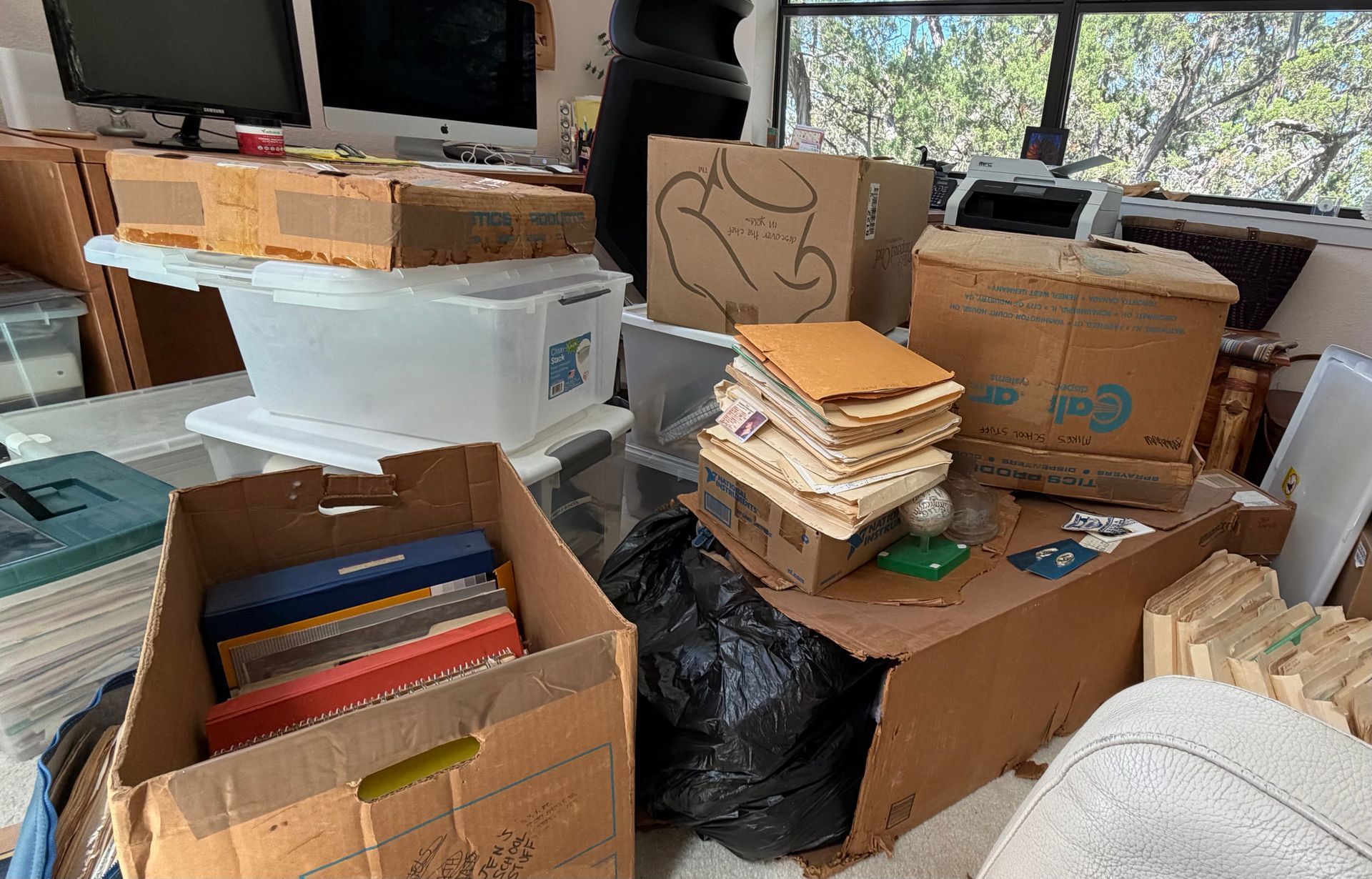
This weekend, I climbed into my attic to tackle something I have avoided for years: the giant bins filled with my children’s school papers and artwork, old letters and cards, and all the random keepsakes our family has collected over the decades.
By Jennifer Ross May 3, 2026
I’m going to start with a confession: I love organizing. Like… I really love it. Give me a messy drawer, a chaotic pantry, or a “we’ll deal with it later” pile, and I’m in my happy place.
By Jennifer Ross April 9, 2026
If getting organized were as simple as “just getting rid of it,” everyone would already be organized. But anyone who has ever stood in front of an overstuffed closet, a garage full of boxes, or a drawer they’re afraid to open knows that advice like this doesn’t help—it overwhelms. In fact, “just get rid of it” is one of the most unhelpful things you can say to someone struggling with clutter. Here’s why.
By Jennifer Ross February 27, 2026
From a Professional Organizer Who Has Seen It All (Truly, All of It)
By Jennifer Ross February 5, 2026
If you’ve ever thought about hiring a professional organizer...
By Jennifer Ross January 5, 2026
(That You’ll Actually Stick To)
By Jennifer Ross December 2, 2025
This year, my mother surprised me with a very honest Christmas request: “Please get me something consumable—I don’t have space anymore.”
By Jennifer Ross November 4, 2025
As a professional organizer (and a parent), I’ve seen how quickly a child’s room can shift from calm to chaotic—especially during the holidays. With Christmas just around the corner, it’s the perfect time to gently guide your kids through a round of decluttering. It’s not only a practical way to make room for incoming gifts, but also an opportunity to help children build lasting habits of gratitude, generosity, and letting go.  Here’s how—and why—to make pre-Christmas decluttering a meaningful family tradition.